What Is a Kois Deprogrammer — and Why Does It Matter for Your Dental Treatment?
If you've been told you need restorations, orthodontics, or bite correction, there's a critical first step that many dental offices skip — and it could be the difference between a treatment that lasts decades and one that fails in a few years. It's called the Kois Deprogrammer, and it's one of the most important diagnostic tools in advanced dental care today. At Essence of Dentistry, we're committed to providing cutting-edge dental care that helps you stay smiling.
Understanding Bite Problems: Why Your Jaw Position Matters
Most people think of dental problems as tooth problems. But the truth is, your bite is a complex system — one where your teeth, jaw joints (TMJ), and muscles are in constant communication. When even a small misalignment exists, your body is remarkably good at compensating for it. Your muscles shift, your jaw adapts, and over time, those compensations become the new normal.
The problem? That "new normal" isn't actually normal. It's a learned pattern — often driven by stress, old dental work, tooth loss, or years of grinding and clenching. Left unaddressed, these compensatory patterns can contribute to:
- Chronic jaw pain and TMJ dysfunction
- Headaches and neck tension
- Worn, cracked, or chipped teeth
- Bite instability after restorations or orthodontic treatment
- Uneven facial muscle development over time
Treating a bite without first understanding where the jaw truly wants to be is like building on an unstable foundation. That's exactly the problem the Kois Deprogrammer was designed to solve.
What Is the Kois Deprogrammer?
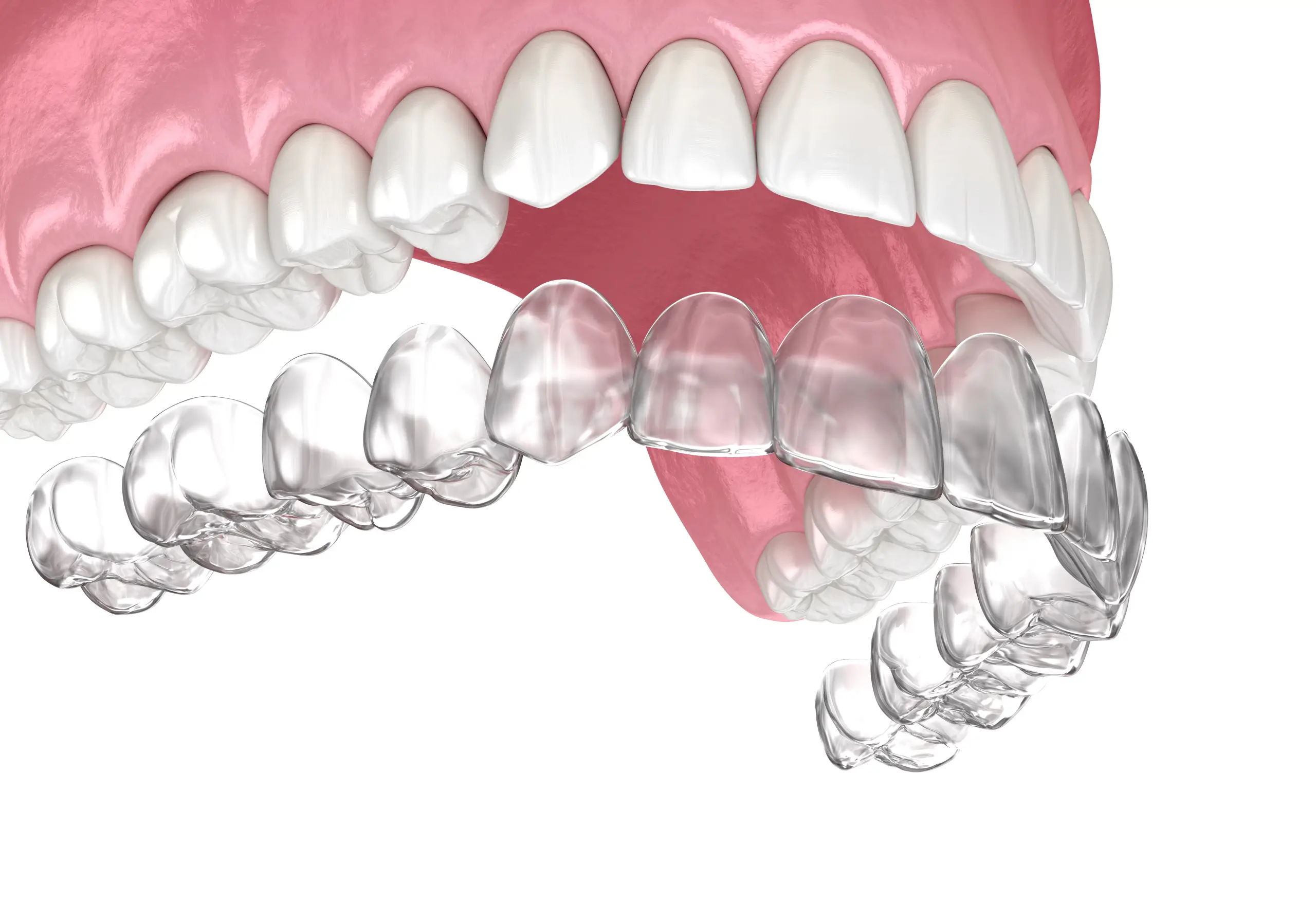
The Kois Deprogrammer is a small, retainer-like appliance that fits on the roof of your mouth. It works by creating a single contact point for one of your lower front teeth, which prevents your upper and lower teeth from interlocking in their usual pattern.
This single point of contact is the key to everything. When your teeth can no longer lock into their habitual bite, your jaw muscles lose their reference point. With nothing to grip onto, they finally have the opportunity to relax, release years of built-up tension, and reset to a more natural, unprogrammed position — which is exactly what the name refers to.
It's not a treatment. It's a diagnostic reset.
What to Expect When You Wear It
You'll wear the Kois Deprogrammer for approximately three days before your next appointment. During that time, your jaw gradually settles into its most relaxed, natural resting position — free from the influence of old muscle habits, compensatory tension, or stress-related clenching patterns.
When you return to the office, your dentist can evaluate your bite from a baseline that reflects where your jaw actually wants to be — not where years of adaptation have forced it. This is called centric relation, and it's the gold standard reference point for planning any significant dental treatment.
Many patients report noticeable relief during this short period — less jaw tension, fewer headaches, and a sense of ease they didn't realize they were missing.
Why This Step Is Essential Before Major Dental Work
Skipping the deprogramming step before restorations, crowns, veneers, or orthodontic treatment is one of the most common reasons those treatments fail or create new problems down the line. If your dentist designs your new bite around a compensated, muscle-driven position rather than your true jaw position, the mismatch can cause:
- Restorations that crack or wear prematurely
- Orthodontic results that relapse
- Continued or worsening TMJ symptoms
- The need for costly revisions
Using the Kois Deprogrammer first means every treatment decision — from a single crown to a full-mouth reconstruction — is planned around the most accurate, reliable data possible.
Advanced Diagnostics, Trusted Results
Essence of Dentistry in Redmond is committed to treatment that lasts. That commitment starts with doing the diagnostic work that most offices don't take the time to do. The Kois Deprogrammer is part of a comprehensive evaluation process rooted in the Kois Center curriculum — one of the most rigorous, science-based continuing education programs in dentistry.
Combined with state-of-the-art diagnostic technology — including digital imaging, 3D scanning, and occlusal analysis — we're able to build a precise picture of your bite, your jaw health, and the ideal path forward before a single restoration is placed or a treatment plan is finalized.
This level of care isn't common. It's the standard we hold ourselves to because our patients deserve treatments that work the first time — and keep working for years to come.
Frequently Asked Questions About the Kois Deprogrammer
Is the Kois Deprogrammer uncomfortable? Most patients adjust within a few hours. It may feel unusual at first, but significant discomfort is uncommon. If you experience pain, contact our office.
Will I be able to eat and talk normally? You'll remove the appliance to eat. Speech may feel slightly different for the first day or two, but most patients adapt quickly.
How long does it take to work? Three days is typically sufficient for the jaw muscles to relax and reset. You'll wear it primarily during waking hours.
Is it the same as a night guard? No. A night guard protects your teeth from grinding. The Kois Deprogrammer is a short-term diagnostic tool designed specifically to release muscle tension and reveal your true jaw position — it's not intended for long-term wear.
Who needs a Kois Deprogrammer? Anyone considering crowns, veneers, full-mouth rehabilitation, Invisalign, or treatment for jaw pain, TMJ symptoms, or chronic headaches may benefit from deprogramming as part of their evaluation.
Ready to find out where your bite truly wants to be? Schedule a comprehensive evaluation and find out if the Kois Deprogrammer is the right first step for your treatment.
Related Posts
Lorem ipsum dolor sit amet, consectetur adipiscing elit.
Can Fixing an Overbite Improve Your Facial Appearance? Exploring Aesthetic Bite Correction
How to Floss Your Teeth Properly for a Healthier, Happier Smile
At Essence of Dentistry, located in Redmond, WA, Dr. Alison Han and her compassionate team are here to help you achieve a confident, healthy smile without the stress.

What Causes Sensitive Teeth? Find Out and Get Relief Today
Do you cringe when sipping an icy drink or feel a sharp twinge in your tooth while enjoying your morning coffee?